
How can I help treat my dog’s diarrhoea?

November 23, 2021

How can I help treat my dog’s diarrhoea at home?

Diarrhoea in dogs is commonplace problem. Very simply, diarrhoea in dogs is caused by gastrointestinal distress.


This can occur from changes in your dog’s diet, scavenging spoiled food, new medicines, food allergies, and even sickness.


It is important to understand that the primary purpose of diarrhoea in dogs, from a physiological point of view, is to eliminate the cause of the upset.         

Before you think about trying different treatment options, you need to try and figure out the underlying cause of your dog’s bowel problem.


While diarrhoea may simply be caused by something bad they have eaten, it can also be a sign of more serious health complications so we recommend getting your vet’s advice before you start trying to treat them.


What causes diarrhoea in dogs?

There are many different things that can upset a well-balanced digestive system and cause diarrhoea in your dog. Some things are more serious and can be life-threatening, while others can be less serious.


  1. Dietary indiscretion e.g., garbage ingestion or an abrupt diet change
  2. Inflammatory diseases e.g., diet intolerance or allergies
  3. Intestinal Parasites, such as roundworms, hookworms, giardia
  4. Infections with common viruses, such as parvovirus and distemper
  5. Bacterial infections, such as salmonella
  6. Illnesses, such as kidney and liver disease, colitis, inflammatory bowel disease, and cancer
  7. Antibiotics and other medications
  8. Poisonous substances or plants
  9. Swallowing an indigestible foreign body, like a toy or socks
  10. Stress or emotional upset

Symptoms of dog diarrhoea

Is your dogs food giving them diarrhoea?

Loose stools are the main indicator of dog’s diarrhoea. It may also be accompanied by:


  • Vomiting
  • Loss of appetite
  • Weight loss
  • Abdominal pain
  • Urgency to defecate
  • Lethargy
  • Excessive gassiness   
  • Straining to defecate
  • Dehydration 
  • and other symptoms of disease.


If you are concerned about your dog’s health in any way, you should always contact your vet as diarrhoea can often be the first warning sign of a more significant health issue.   

The faster you seek professional medical help, the better, especially if your dog is very young, old, or has pre-existing health conditions.
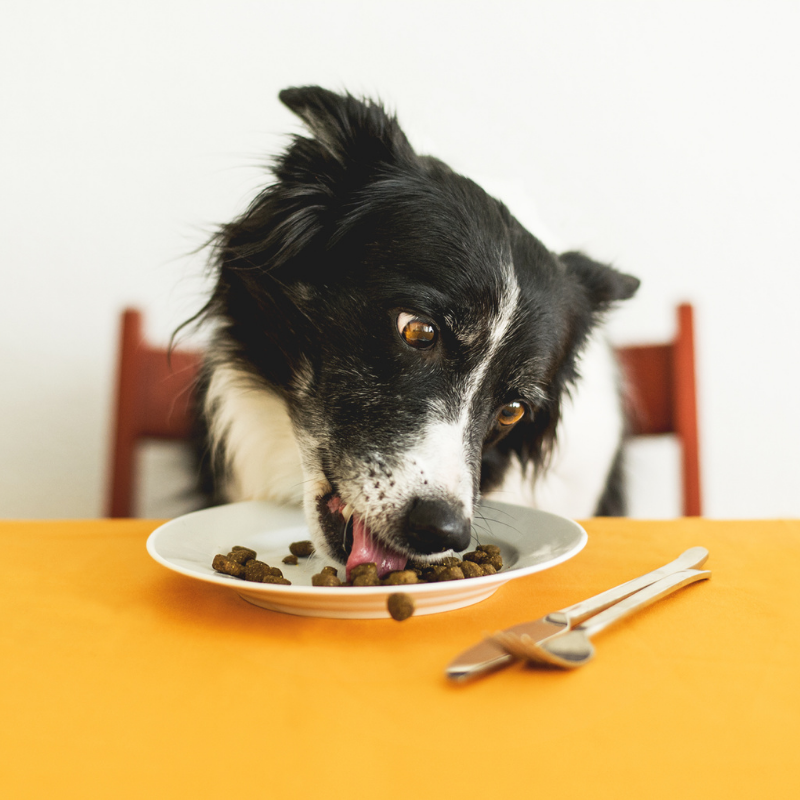
A black and white dog is eating food from a plate

What stools say about your dog’s health

The colour and consistency of diarrhoea can say a lot about the cause of the problem and what is going on inside your dog’s gut.


Chocolate brown is normal, while colours like orange, green, or grey may signify issues with such organs as liver, gall bladder, or pancreas. Black tarlike stools are more serious and may point to internal bleeding. If you see this, contact your vet as soon as possible.


Home treatments for dog diarrhoea

Many cases of dog’s diarrhoea are mild and with the advice of your vet may be treated at home. They may respond to a program of very basic treatments, including:


Fasting

Withholding food for 12 to 24 hours, and providing water in small amounts frequently, can clear the cause of the upset and allow the gastrointestinal tract to settle. 


However, if your dog is not strong or healthy enough for fasting, it can lead to further complications. For this reason, we don’t recommend fasting for puppies or elderly dogs, who need the nutrients.


After a fast, simple foods are usually introduced slowly. Many dog owners start with foods that act as binders, which can help normalise stool consistency.


You can start by feeding your dog:

  • Rice water – a splash of broth (add link) can make it more palatable
  • Plain white rice
  • Pumpkin puree (from the supermarket), powder or pet specific canned pumpkin
  • Plain yogurt
  • Probiotics – to promote live bacteria that aid digestion
  • Boiled potatoes, without skin
  • Cottage cheese
  • Plain protein sources like egg (no butter or oil) and chicken without skin
  • Herbs, such as fennel

Make Sure They Have Plenty of Water


Diarrhoea can quickly cause a dog to become dehydrated. Make sure that your dog has access to plenty of fresh, clean water and encourage them to drink. If you need to, you can add a splash of broth (add link) to their water to encourage them to drink.


Diarrhoea can happen for a number of reasons in dogs. By identifying the symptoms, understanding the causes and taking the necessary steps, you can have your dog feeling better in no time.


For more information about quality Australian made and manufactured probiotics for pets products, please view Ipromea’s range here
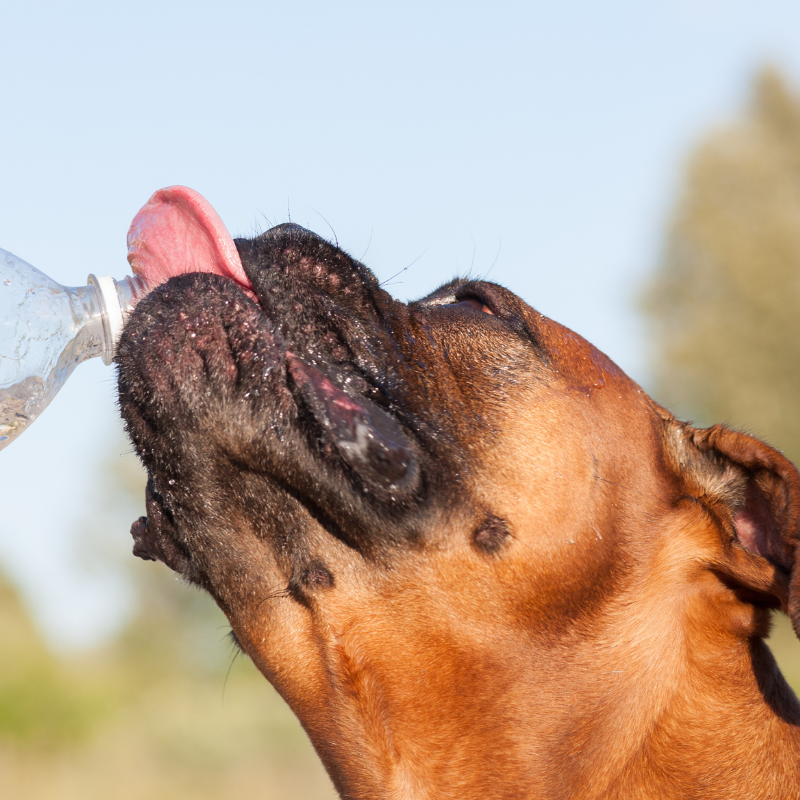
A brown dog drinking water from a plastic bottle

Explore More


By Tony Davis February 22, 2026
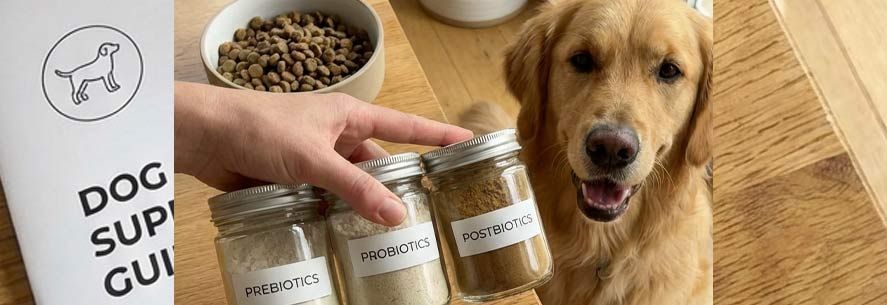
Maintaining optimal gut health is crucial for dogs, as it directly influences their overall well-being. Below we dive into the distinctions between prebiotics, probiotics , and postbiotics, three essential components of canine nutrition that support digestive health. Learn how each type contributes to the gut microbiome, the benefits they offer, and how to choose the right supplements for your furry friend. Understanding these differences can help you as a pet owner make an informed decision about your dog's dietary needs and enhance your pets' health. What Are Prebiotics, Probiotics, and Postbiotics in Canine Nutrition? Prebiotics, probiotics, and postbiotics are vital components of canine nutrition that play distinct roles in supporting gut health. Prebiotics are non-digestible fibers that serve as food for beneficial gut bacteria, promoting their growth and activity. Probiotics, on the other hand, are live microorganisms that confer health benefits when consumed in adequate amounts, enhancing the gut microbiome's balance. Postbiotics are bioactive compounds produced by probiotics during fermentation, which can also provide health benefits to the host. Together, these components work synergistically to maintain a healthy digestive system in dogs. Research has explored the combined efficacy and safety of supplements integrating prebiotics, probiotics, and postbiotics. How Do Prebiotics Support the Dog Gut Microbiome? Prebiotics support the dog gut microbiome by providing essential nutrients that beneficial bacteria need to thrive. These fibers, found in foods like chicory root and inulin, are fermented by gut bacteria, leading to the production of short-chain fatty acids (SCFAs). SCFAs play a crucial role in maintaining gut health by providing energy to colon cells, reducing inflammation, and enhancing the gut barrier function. By fostering a diverse and balanced microbiome, prebiotics contribute to improved digestion and overall health in dogs. Indeed, the fundamental role of prebiotics in shaping the canine gut microbiota and enhancing overall health is well-documented. What Role Do Probiotics Play in Enhancing Dog Digestive Health? Probiotics enhance dog digestive health by introducing beneficial bacteria into the gut, which can help restore balance after disturbances such as antibiotic use or dietary changes. Specific strains of probiotics, such as Lactobacillus and Bifidobacterium, have been shown to improve digestion, reduce diarrhea, and support immune function. By competing with harmful bacteria for resources and producing antimicrobial substances, probiotics help maintain a healthy gut environment, ultimately leading to better nutrient absorption and overall well-being. What Are the Key Differences Between Prebiotics, Probiotics, and Postbiotics for Dogs? Understanding the key differences between prebiotics, probiotics, and postbiotics is essential for pet owners looking to optimise their dog's gut health. While prebiotics serve as food for beneficial bacteria, probiotics are the live microorganisms that provide health benefits. Postbiotics, in contrast, are the beneficial compounds produced by probiotics during fermentation. Each plays a unique role in supporting the gut microbiome, and their combined effects can lead to enhanced digestive health in dogs. How Do Prebiotics and Probiotics Interact in the Canine Gut? Prebiotics and probiotics interact synergistically in the canine gut to promote a healthy microbiome. Prebiotics provide the necessary nutrients for probiotics to flourish, while probiotics help ferment these fibers, producing beneficial metabolites. This interaction enhances the overall effectiveness of both components, leading to improved gut health and better digestion. For instance, when prebiotics are consumed alongside probiotics, the beneficial bacteria can thrive, leading to increased production of SCFAs and other health-promoting compounds. Why Are Postbiotics Considered the Next Generation of Pet Nutrition? Postbiotics are gaining recognition as the next generation of pet nutrition due to their potential health benefits. Unlike probiotics, which require live bacteria to be effective, postbiotics are stable compounds that can exert health benefits without the need for live microorganisms. Recent research has shown that postbiotics can enhance gut barrier function, modulate immune responses, and reduce inflammation. As a result, they represent a promising area of study in canine nutrition, offering a new approach to supporting gut health. What Are the Benefits of Prebiotics, Probiotics, and Postbiotics for Dogs? The benefits of prebiotics, probiotics, and postbiotics for dogs are numerous and can significantly enhance their overall health. Each component contributes uniquely to digestive health, immune support, and overall well-being. How Do Prebiotics Improve Canine Digestive Health? Prebiotics improve canine digestive health by promoting the growth of beneficial gut bacteria, which in turn enhances nutrient absorption and digestion. By increasing the production of SCFAs, prebiotics help maintain a healthy gut environment, reducing the risk of gastrointestinal disorders. Additionally, prebiotics can improve stool quality and consistency, leading to healthier bowel movements. In What Ways Do Probiotics Help Dogs’ Immune Systems? Probiotics play a crucial role in supporting dogs' immune systems by enhancing the gut-associated lymphoid tissue (GALT), which is a significant part of the immune system. By promoting a balanced gut microbiome, probiotics help prevent the overgrowth of harmful bacteria and pathogens. Research indicates that regular probiotic supplementation can lead to improved immune responses, reducing the incidence of infections and illnesses in dogs. How to Choose the Right Gut Health Supplement for Your Dog? Choosing the right gut health supplement for your dog involves considering several factors, including the specific needs of your pet, the quality of the product, and the ingredients used. It's essential to select supplements that contain well-researched strains of probiotics and prebiotics, as well as postbiotics that have demonstrated health benefits. What Factors Should You Consider When Selecting Prebiotic and Probiotic Supplements? When selecting prebiotic and probiotic supplements for your dog, consider the following factors: Ingredients: Look for high-quality sources of prebiotics and specific probiotic strains that have been shown to be effective in dogs. Dosage: Ensure that the supplement provides an adequate dosage of probiotics, typically measured in colony-forming units (CFUs). Ipromea's products have billions of CFU. Brand Reputation: Choose products from reputable brands, such as Ipromea , that conduct third-party testing to ensure quality and efficacy. Are Postbiotic Supplements Safe and Effective for Dogs? Postbiotic supplements are generally considered safe and potentially effective for dogs. Research indicates that they can provide health benefits without the need for live bacteria, making them a stable option for supporting gut health. However, it's essential to consult with a veterinarian before introducing any new supplements to your dog's diet, especially if they have underlying health conditions. What Does Recent Research Reveal About Postbiotics in Dog Nutrition? Recent research has shed light on the potential benefits of postbiotics in dog nutrition, highlighting their role in enhancing gut health and overall well-being. Studies have shown that postbiotics can improve gut barrier function, modulate immune responses, and reduce inflammation, making them a valuable addition to canine diets. How Are Postbiotics Changing the Landscape of Canine Gut Health Supplements? Postbiotics are changing the landscape of canine gut health supplements by offering a stable and potentially effective alternative to traditional probiotics. As research continues to uncover their benefits, more pet owners are turning to postbiotic supplements to support their dogs' digestive health. This shift reflects a growing understanding of the importance of gut health in overall canine wellness and the potential for postbiotics to play a significant role in pet nutrition.
A Closer Look at Ipromea's Range
June 12, 2025
Let's take a closer look at some of Ipromea's top products to find out which one is the perfect fit for your furry friend.
Role of Probiotics in Easing Stress and Separation Anxiety in Dogs
June 12, 2025
This blog explores how probiotics, specifically tailored for dogs, can help ease stress and separation anxiety while promoting overall health.
Show More