

Probiotics for Senior Pets: Supporting Gut Health in Their Golden Years

April 15, 2025

As our beloved pets age, their health needs evolve, requiring extra attention and care. One area often overlooked in senior pet care is gut health—yet it plays a crucial role in their overall well-being. If you’re a pet owner looking to give your furry senior the best quality of life, probiotics might be the game-changer you need. Here, we'll explore the importance of pet probiotics and how they can support your senior companion's gut health in their golden years. 


Why Gut Health Matters for Senior Pets 


Just like humans, pets have a complex ecosystem of bacteria in their digestive systems, also known as the gut microbiome. 

This microbiome is essential for breaking down food, absorbing nutrients, and supporting immune function. However, as pets age, their gut health may decline due to a weakened immune system, dietary changes, or health conditions. 


Poor gut health in senior pets may manifest as chronic diarrhoea, poor appetite, bloating, or lacklustre energy. That’s where probiotics come into play. Rich in beneficial bacteria, probiotics can restore gut balance, enhance digestion, and even improve your pet’s mood and overall vitality. 


The Benefits of Pet Probiotics for Senior Pets


Introducing probiotics into your senior pet’s routine comes with a host of benefits that can make a noticeable difference in their comfort and happiness. 


1. Improved Digestion 


Probiotics help break down food more efficiently, alleviating common digestive troubles like constipation and diarrhoea. For senior pets with sensitive stomachs, this can be life-changing. 


2. Boosted Immune System 


A balanced gut microbiome enhances immune function, helping your pet fight off illnesses, infections, and allergies. This is particularly important for older pets, whose immunity naturally weakens with age. 


3. Enhanced Nutrient Absorption 


Senior pets often struggle to get the nutrients they need from food alone. Probiotics improve nutrient absorption, ensuring your pet benefits from the vitamins and minerals in their diet. 


4. Calm and Stress-Free Living 


Ageing pets can become more easily stressed or anxious, whether it’s from changing environments, vet visits, or loud noises. Probiotics may help ease stress and promote a sense of calm. 


5. Healthier Weight 


Maintaining a healthy weight can be challenging for senior pets, but a well-balanced gut supports better metabolism, helping to manage weight and prevent obesity-related issues. 


How to Choose the Best Probiotics for Your Pet 


Selecting the right probiotics for your furry friend is key to reaping the benefits. Here are some tips to help you choose wisely: 


1. Choose High-Quality Probiotics 


Go for products specifically formulated for pets, such as those from trusted brands like Ipromea. Products like iPRO-ABSORB and Paw N’ Purr are designed to support healthy digestion and immunity. 


2. Consider Individual Needs 


Are you looking to address specific concerns like anxiety or skin health? Many probiotic formulas are tailored to target particular health issues. Ipromea offers a variety of options, from iPRO-CALM for stress relief to iPRO-SHINE for skin and coat health. 


3. Consult Your Veterinarian 


Before introducing new supplements, speak to your vet about your pet’s unique needs and any pre-existing health conditions. 


4. Test and Monitor 


Introduce probiotics gradually and keep an eye on how your pet responds. Positive changes can include steadier digestion, increased energy, and an overall improvement in mood and behaviour. 


Proactive Care with a Gut Microbiome Test 


Not sure where to start? A gut microbiome test, like the ones available in Australia, can provide valuable insights into your pet’s digestive health. These tests analyse the balance of bacteria in your pet’s gut and offer tailored tips for improvement—making it easier to pinpoint the right probiotics and diet adjustments. 


Give Your Senior Pet Their Best Years Yet 


Caring for a senior pet requires extra attention, but the rewards are immeasurable. By supporting their gut health with high-quality pet probiotics, you can help them enjoy their golden years with comfort, vitality, and happiness. 


Discover Ipromea for Your Pet’s Gut Health


Looking for a trusted solution to improve your pet’s gut health? Discover Ipromea—a brand dedicated to providing high-quality, science-backed probiotics for pets. 

Ipromea products are specifically formulated to support your furry friend’s digestive system, immune health, and overall well-being.


Take the first step toward a healthier, happier pet today! Explore our range of pet-specific probiotics and other products, and learn how they can make a difference in your pet’s life.

Explore More
 

By Tony Davis February 22, 2026
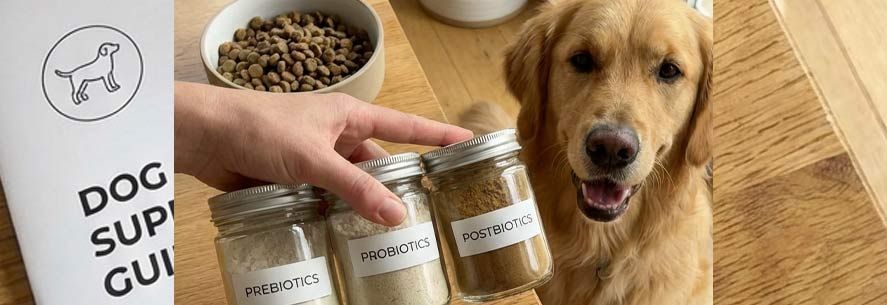
Maintaining optimal gut health is crucial for dogs, as it directly influences their overall well-being. Below we dive into the distinctions between prebiotics, probiotics , and postbiotics, three essential components of canine nutrition that support digestive health. Learn how each type contributes to the gut microbiome, the benefits they offer, and how to choose the right supplements for your furry friend. Understanding these differences can help you as a pet owner make an informed decision about your dog's dietary needs and enhance your pets' health. What Are Prebiotics, Probiotics, and Postbiotics in Canine Nutrition? Prebiotics, probiotics, and postbiotics are vital components of canine nutrition that play distinct roles in supporting gut health. Prebiotics are non-digestible fibers that serve as food for beneficial gut bacteria, promoting their growth and activity. Probiotics, on the other hand, are live microorganisms that confer health benefits when consumed in adequate amounts, enhancing the gut microbiome's balance. Postbiotics are bioactive compounds produced by probiotics during fermentation, which can also provide health benefits to the host. Together, these components work synergistically to maintain a healthy digestive system in dogs. Research has explored the combined efficacy and safety of supplements integrating prebiotics, probiotics, and postbiotics. How Do Prebiotics Support the Dog Gut Microbiome? Prebiotics support the dog gut microbiome by providing essential nutrients that beneficial bacteria need to thrive. These fibers, found in foods like chicory root and inulin, are fermented by gut bacteria, leading to the production of short-chain fatty acids (SCFAs). SCFAs play a crucial role in maintaining gut health by providing energy to colon cells, reducing inflammation, and enhancing the gut barrier function. By fostering a diverse and balanced microbiome, prebiotics contribute to improved digestion and overall health in dogs. Indeed, the fundamental role of prebiotics in shaping the canine gut microbiota and enhancing overall health is well-documented. What Role Do Probiotics Play in Enhancing Dog Digestive Health? Probiotics enhance dog digestive health by introducing beneficial bacteria into the gut, which can help restore balance after disturbances such as antibiotic use or dietary changes. Specific strains of probiotics, such as Lactobacillus and Bifidobacterium, have been shown to improve digestion, reduce diarrhea, and support immune function. By competing with harmful bacteria for resources and producing antimicrobial substances, probiotics help maintain a healthy gut environment, ultimately leading to better nutrient absorption and overall well-being. What Are the Key Differences Between Prebiotics, Probiotics, and Postbiotics for Dogs? Understanding the key differences between prebiotics, probiotics, and postbiotics is essential for pet owners looking to optimise their dog's gut health. While prebiotics serve as food for beneficial bacteria, probiotics are the live microorganisms that provide health benefits. Postbiotics, in contrast, are the beneficial compounds produced by probiotics during fermentation. Each plays a unique role in supporting the gut microbiome, and their combined effects can lead to enhanced digestive health in dogs. How Do Prebiotics and Probiotics Interact in the Canine Gut? Prebiotics and probiotics interact synergistically in the canine gut to promote a healthy microbiome. Prebiotics provide the necessary nutrients for probiotics to flourish, while probiotics help ferment these fibers, producing beneficial metabolites. This interaction enhances the overall effectiveness of both components, leading to improved gut health and better digestion. For instance, when prebiotics are consumed alongside probiotics, the beneficial bacteria can thrive, leading to increased production of SCFAs and other health-promoting compounds. Why Are Postbiotics Considered the Next Generation of Pet Nutrition? Postbiotics are gaining recognition as the next generation of pet nutrition due to their potential health benefits. Unlike probiotics, which require live bacteria to be effective, postbiotics are stable compounds that can exert health benefits without the need for live microorganisms. Recent research has shown that postbiotics can enhance gut barrier function, modulate immune responses, and reduce inflammation. As a result, they represent a promising area of study in canine nutrition, offering a new approach to supporting gut health. What Are the Benefits of Prebiotics, Probiotics, and Postbiotics for Dogs? The benefits of prebiotics, probiotics, and postbiotics for dogs are numerous and can significantly enhance their overall health. Each component contributes uniquely to digestive health, immune support, and overall well-being. How Do Prebiotics Improve Canine Digestive Health? Prebiotics improve canine digestive health by promoting the growth of beneficial gut bacteria, which in turn enhances nutrient absorption and digestion. By increasing the production of SCFAs, prebiotics help maintain a healthy gut environment, reducing the risk of gastrointestinal disorders. Additionally, prebiotics can improve stool quality and consistency, leading to healthier bowel movements. In What Ways Do Probiotics Help Dogs’ Immune Systems? Probiotics play a crucial role in supporting dogs' immune systems by enhancing the gut-associated lymphoid tissue (GALT), which is a significant part of the immune system. By promoting a balanced gut microbiome, probiotics help prevent the overgrowth of harmful bacteria and pathogens. Research indicates that regular probiotic supplementation can lead to improved immune responses, reducing the incidence of infections and illnesses in dogs. How to Choose the Right Gut Health Supplement for Your Dog? Choosing the right gut health supplement for your dog involves considering several factors, including the specific needs of your pet, the quality of the product, and the ingredients used. It's essential to select supplements that contain well-researched strains of probiotics and prebiotics, as well as postbiotics that have demonstrated health benefits. What Factors Should You Consider When Selecting Prebiotic and Probiotic Supplements? When selecting prebiotic and probiotic supplements for your dog, consider the following factors: Ingredients: Look for high-quality sources of prebiotics and specific probiotic strains that have been shown to be effective in dogs. Dosage: Ensure that the supplement provides an adequate dosage of probiotics, typically measured in colony-forming units (CFUs). Ipromea's products have billions of CFU. Brand Reputation: Choose products from reputable brands, such as Ipromea , that conduct third-party testing to ensure quality and efficacy. Are Postbiotic Supplements Safe and Effective for Dogs? Postbiotic supplements are generally considered safe and potentially effective for dogs. Research indicates that they can provide health benefits without the need for live bacteria, making them a stable option for supporting gut health. However, it's essential to consult with a veterinarian before introducing any new supplements to your dog's diet, especially if they have underlying health conditions. What Does Recent Research Reveal About Postbiotics in Dog Nutrition? Recent research has shed light on the potential benefits of postbiotics in dog nutrition, highlighting their role in enhancing gut health and overall well-being. Studies have shown that postbiotics can improve gut barrier function, modulate immune responses, and reduce inflammation, making them a valuable addition to canine diets. How Are Postbiotics Changing the Landscape of Canine Gut Health Supplements? Postbiotics are changing the landscape of canine gut health supplements by offering a stable and potentially effective alternative to traditional probiotics. As research continues to uncover their benefits, more pet owners are turning to postbiotic supplements to support their dogs' digestive health. This shift reflects a growing understanding of the importance of gut health in overall canine wellness and the potential for postbiotics to play a significant role in pet nutrition.
A Closer Look at Ipromea's Range
June 12, 2025
Let's take a closer look at some of Ipromea's top products to find out which one is the perfect fit for your furry friend.
Role of Probiotics in Easing Stress and Separation Anxiety in Dogs
June 12, 2025
This blog explores how probiotics, specifically tailored for dogs, can help ease stress and separation anxiety while promoting overall health.
Show More