

Understanding Gut Microbiome Imbalances: What They Mean for Your Pet

February 25, 2025
Understanding Gut Microbiome Imbalances

The health of your pet's gut has a massive influence on their overall well-being. From digestion to immunity, a balanced gut microbiome plays a critical role in keeping your furry friend happy and healthy. But what happens when there’s an imbalance in their gut microbiome?


This post will introduce you to the concept of the gut microbiome, explain the signs of imbalance, and highlight what it could mean for your pet. By the end, you’ll also learn practical steps to support your pet's gut health.


What Is the Gut Microbiome?


Your pet’s gut microbiome consists of trillions of microorganisms—including bacteria, fungi, and viruses—that live in their digestive tract. These tiny organisms collaborate to perform crucial functions, such as breaking down food, absorbing nutrients, and fighting off harmful pathogens. A healthy microbiome is all about balance, with beneficial bacteria outweighing the harmful ones.


However, when the gut microbiome becomes disrupted, also known as “dysbiosis,” it can have both short-term and long-term effects on your pet’s health.


Signs of a Gut Microbiome Imbalance


It’s not always easy to determine if your pet's gut microbiome is out of balance, but there are several indicators to look out for:


1. Digestive Problems


Does your pet have chronic diarrhea, constipation, or gas? These could be signs that their digestive system isn’t functioning optimally, potentially due to microbiome imbalances.


2. Changes in Appetite


A sudden loss or increase in appetite could be a red flag. Gut health is connected to how efficiently your pet absorbs nutrients and digests food.


3. Skin and Coat Issues


The connection between gut health and skin is often overlooked, but pet dermatologists frequently find links. If your pet is itching excessively or has flaky skin or a dull coat, it might be a sign of an internal issue.


4. Low Energy Levels


Have you noticed your normally active dog or cat appearing more lethargic? While there can be many causes for fatigue, gut health imbalances often make it harder for the body to absorb enough energy and nutrients.


5. Recurring Illnesses


A substantial portion of your pet’s immune system resides in their gut. An imbalance in the microbiome might compromise their immunity, leading to more frequent illnesses or infections.


What Causes Microbiome Imbalances?


Several factors can disrupt a healthy gut microbiome in pets:


  • Dietary Issues: A poor-quality diet lacking in essential nutrients or fiber can throw off the microbial balance in the gut. Sudden changes in diet can also lead to dysbiosis. 
  • Medications: Antibiotics, while necessary at times, don’t distinguish between harmful and beneficial bacteria. This can reduce the diversity in the gut. 
  • Stress: Stressful events, like moves, travel, or a new household member (human or another pet), can also disrupt gut function. 
  • Underlying Health Conditions: Allergies, chronic diseases, or infections can indirectly affect gut health.


Why a Balanced Gut Microbiome Matters


A balanced gut microbiome offers several vital benefits:


  • Improved Digestion: Proper gut bacteria ensure food is broken down efficiently, making nutrients more accessible. 
  • Enhanced Immune System: The gut microbiome acts as the first line of defense against harmful pathogens, keeping your pet healthier. 
  • Better Mental Health: Yes, the gut and brain are connected! A balanced microbiome can also influence your pet's moods and stress levels. 


How to Support Your Pet’s Gut Health


If you suspect gut microbiome imbalance in your pet, it’s best to consult a veterinarian for proper diagnosis and treatment. They might recommend the following strategies:


Probiotics and Prebiotics 


Probiotics introduce beneficial bacteria into the gut, while prebiotics serve as food for these bacteria. Together, they help restore balance. 


A Balanced, High-Quality Diet 


Switch to premium-quality pet food with high nutritional value and plenty of fiber. Always transition gradually when introducing new foods. 


Regular Vet Checkups 


Routine vet visits can help diagnose and address potential issues before they become major health concerns. 


Limit Unnecessary Antibiotics 


Always consult your vet to ensure antibiotics are only prescribed when absolutely necessary. 


Minimize Stress 


 Create a calm environment for your pet and establish predictable routines to reduce stress-induced gastrointestinal issues. 


A Healthier Gut for a Healthier Pet 


Understanding and addressing gut microbiome imbalances can make a significant difference in your pet’s overall health. By recognizing the signs, identifying potential causes, and taking steps to restore balance, you give your pet the best chance at a happy and healthy life.


If you’re unsure where to start or need guidance tailored to your pet’s specific needs, speak with your veterinarian or a pet nutrition specialist. Supporting your furry friend's gut health today ensures they stay by your side for years to come.


Discover Ipromea for Your Pet’s Gut Health


Looking for a trusted solution to improve your pet’s gut health? Discover Ipromea—a brand dedicated to providing high-quality, science-backed probiotics for pets. 


Ipromea products are specifically formulated to support your furry friend’s digestive system, immune health, and overall well-being.


Take the first step toward a healthier, happier pet today! Explore our range of pet-specific probiotics and other products, and learn how they can make a difference in your pet’s life.

Explore More
 

By Tony Davis February 22, 2026
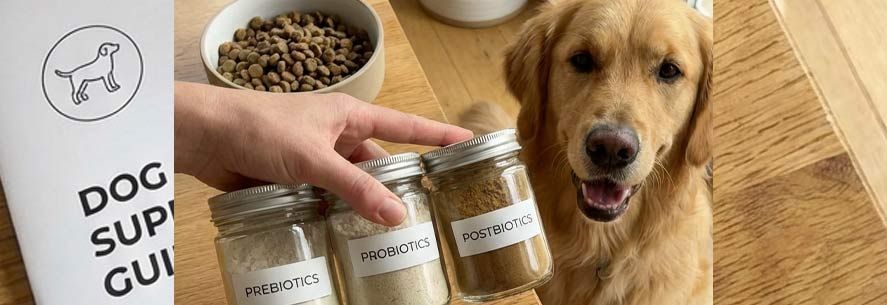
Maintaining optimal gut health is crucial for dogs, as it directly influences their overall well-being. Below we dive into the distinctions between prebiotics, probiotics , and postbiotics, three essential components of canine nutrition that support digestive health. Learn how each type contributes to the gut microbiome, the benefits they offer, and how to choose the right supplements for your furry friend. Understanding these differences can help you as a pet owner make an informed decision about your dog's dietary needs and enhance your pets' health. What Are Prebiotics, Probiotics, and Postbiotics in Canine Nutrition? Prebiotics, probiotics, and postbiotics are vital components of canine nutrition that play distinct roles in supporting gut health. Prebiotics are non-digestible fibers that serve as food for beneficial gut bacteria, promoting their growth and activity. Probiotics, on the other hand, are live microorganisms that confer health benefits when consumed in adequate amounts, enhancing the gut microbiome's balance. Postbiotics are bioactive compounds produced by probiotics during fermentation, which can also provide health benefits to the host. Together, these components work synergistically to maintain a healthy digestive system in dogs. Research has explored the combined efficacy and safety of supplements integrating prebiotics, probiotics, and postbiotics. How Do Prebiotics Support the Dog Gut Microbiome? Prebiotics support the dog gut microbiome by providing essential nutrients that beneficial bacteria need to thrive. These fibers, found in foods like chicory root and inulin, are fermented by gut bacteria, leading to the production of short-chain fatty acids (SCFAs). SCFAs play a crucial role in maintaining gut health by providing energy to colon cells, reducing inflammation, and enhancing the gut barrier function. By fostering a diverse and balanced microbiome, prebiotics contribute to improved digestion and overall health in dogs. Indeed, the fundamental role of prebiotics in shaping the canine gut microbiota and enhancing overall health is well-documented. What Role Do Probiotics Play in Enhancing Dog Digestive Health? Probiotics enhance dog digestive health by introducing beneficial bacteria into the gut, which can help restore balance after disturbances such as antibiotic use or dietary changes. Specific strains of probiotics, such as Lactobacillus and Bifidobacterium, have been shown to improve digestion, reduce diarrhea, and support immune function. By competing with harmful bacteria for resources and producing antimicrobial substances, probiotics help maintain a healthy gut environment, ultimately leading to better nutrient absorption and overall well-being. What Are the Key Differences Between Prebiotics, Probiotics, and Postbiotics for Dogs? Understanding the key differences between prebiotics, probiotics, and postbiotics is essential for pet owners looking to optimise their dog's gut health. While prebiotics serve as food for beneficial bacteria, probiotics are the live microorganisms that provide health benefits. Postbiotics, in contrast, are the beneficial compounds produced by probiotics during fermentation. Each plays a unique role in supporting the gut microbiome, and their combined effects can lead to enhanced digestive health in dogs. How Do Prebiotics and Probiotics Interact in the Canine Gut? Prebiotics and probiotics interact synergistically in the canine gut to promote a healthy microbiome. Prebiotics provide the necessary nutrients for probiotics to flourish, while probiotics help ferment these fibers, producing beneficial metabolites. This interaction enhances the overall effectiveness of both components, leading to improved gut health and better digestion. For instance, when prebiotics are consumed alongside probiotics, the beneficial bacteria can thrive, leading to increased production of SCFAs and other health-promoting compounds. Why Are Postbiotics Considered the Next Generation of Pet Nutrition? Postbiotics are gaining recognition as the next generation of pet nutrition due to their potential health benefits. Unlike probiotics, which require live bacteria to be effective, postbiotics are stable compounds that can exert health benefits without the need for live microorganisms. Recent research has shown that postbiotics can enhance gut barrier function, modulate immune responses, and reduce inflammation. As a result, they represent a promising area of study in canine nutrition, offering a new approach to supporting gut health. What Are the Benefits of Prebiotics, Probiotics, and Postbiotics for Dogs? The benefits of prebiotics, probiotics, and postbiotics for dogs are numerous and can significantly enhance their overall health. Each component contributes uniquely to digestive health, immune support, and overall well-being. How Do Prebiotics Improve Canine Digestive Health? Prebiotics improve canine digestive health by promoting the growth of beneficial gut bacteria, which in turn enhances nutrient absorption and digestion. By increasing the production of SCFAs, prebiotics help maintain a healthy gut environment, reducing the risk of gastrointestinal disorders. Additionally, prebiotics can improve stool quality and consistency, leading to healthier bowel movements. In What Ways Do Probiotics Help Dogs’ Immune Systems? Probiotics play a crucial role in supporting dogs' immune systems by enhancing the gut-associated lymphoid tissue (GALT), which is a significant part of the immune system. By promoting a balanced gut microbiome, probiotics help prevent the overgrowth of harmful bacteria and pathogens. Research indicates that regular probiotic supplementation can lead to improved immune responses, reducing the incidence of infections and illnesses in dogs. How to Choose the Right Gut Health Supplement for Your Dog? Choosing the right gut health supplement for your dog involves considering several factors, including the specific needs of your pet, the quality of the product, and the ingredients used. It's essential to select supplements that contain well-researched strains of probiotics and prebiotics, as well as postbiotics that have demonstrated health benefits. What Factors Should You Consider When Selecting Prebiotic and Probiotic Supplements? When selecting prebiotic and probiotic supplements for your dog, consider the following factors: Ingredients: Look for high-quality sources of prebiotics and specific probiotic strains that have been shown to be effective in dogs. Dosage: Ensure that the supplement provides an adequate dosage of probiotics, typically measured in colony-forming units (CFUs). Ipromea's products have billions of CFU. Brand Reputation: Choose products from reputable brands, such as Ipromea , that conduct third-party testing to ensure quality and efficacy. Are Postbiotic Supplements Safe and Effective for Dogs? Postbiotic supplements are generally considered safe and potentially effective for dogs. Research indicates that they can provide health benefits without the need for live bacteria, making them a stable option for supporting gut health. However, it's essential to consult with a veterinarian before introducing any new supplements to your dog's diet, especially if they have underlying health conditions. What Does Recent Research Reveal About Postbiotics in Dog Nutrition? Recent research has shed light on the potential benefits of postbiotics in dog nutrition, highlighting their role in enhancing gut health and overall well-being. Studies have shown that postbiotics can improve gut barrier function, modulate immune responses, and reduce inflammation, making them a valuable addition to canine diets. How Are Postbiotics Changing the Landscape of Canine Gut Health Supplements? Postbiotics are changing the landscape of canine gut health supplements by offering a stable and potentially effective alternative to traditional probiotics. As research continues to uncover their benefits, more pet owners are turning to postbiotic supplements to support their dogs' digestive health. This shift reflects a growing understanding of the importance of gut health in overall canine wellness and the potential for postbiotics to play a significant role in pet nutrition.
A Closer Look at Ipromea's Range
June 12, 2025
Let's take a closer look at some of Ipromea's top products to find out which one is the perfect fit for your furry friend.
Role of Probiotics in Easing Stress and Separation Anxiety in Dogs
June 12, 2025
This blog explores how probiotics, specifically tailored for dogs, can help ease stress and separation anxiety while promoting overall health.
Show More